

Generator Diagnostics and Troubleshooting in Houston
Fault light on? Failed its weekly exercise? Our technicians track down why your generator is misbehaving, explain what they found in plain English and quote the fix before any work starts.
Find the Real Problem Before Paying for a Fix
A generator rarely fails without warning. It cranks a little slower, skips its weekly exercise, flashes a code you can’t decode, or starts fine and then quits ten minutes into an outage. Generator diagnostics in Houston from JaWilly Services turns those clues into a confirmed cause, so the repair you pay for is the one that actually solves it.
Guesswork is expensive. A dead battery, a failing battery charger and a bad starter can all look like the same “won’t crank” complaint. Swapping parts until something works wastes money and time you may not have when a storm is coming. Our certified technicians test before they replace, and they work on residential standby, portable and commercial units from most major manufacturers.
Common Symptoms and What Usually Causes Them
This table shows where generator troubleshooting typically starts. It is a starting point, not a diagnosis — several causes can produce the same symptom, which is exactly why hands-on testing matters.
| What you notice | Likely causes we check first |
|---|---|
| Generator won’t start or won’t crank | Weak or sulfated battery, failed battery charger, loose or corroded terminals, starter or starter relay, controller left in Off |
| Cranks but never fires | No fuel or low gas pressure, closed fuel valve, clogged fuel filter, fouled spark plugs, ignition fault, low-oil shutdown sensor |
| Starts, then shuts down | Low oil level or pressure, overheating, overcrank or overspeed fault, fuel starvation under load, faulty sensor |
| Runs, but no power reaches the house | Tripped generator breaker, transfer switch not changing over, failed AVR, wiring or contactor problem |
| Lights flicker or voltage surges | Automatic voltage regulator, governor or throttle issues, dirty air filter, overloaded circuits |
| Error code or warning light | Depends on the brand — we read the controller’s fault history and verify the code with testing |
| Smoke, unusual noises or smells | Oil or coolant leaks, worn belts, exhaust leaks, failing bearings, rich fuel mixture |
If your generator won't start during an outage and you need help now, go straight to our 24/7 emergency generator support page.
Our Six-Part Diagnostic Process
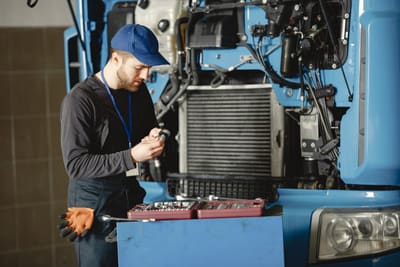
- Visual inspectionWe look over the enclosure, engine, wiring and connections for wear, damage, rodent nests, corrosion and oil, coolant or fuel leaks.
- System testingThe battery, charger, starter, ignition, fuel supply and engine are tested individually so one weak component can't hide behind another.
- Load bank testingWhere appropriate — especially for commercial units — we apply a controlled load to see how the generator holds voltage and frequency under real working stress.
- Fluid analysisOil, coolant and fuel are checked for contamination, water, sludge or breakdown that points to a deeper engine or fuel-storage problem.
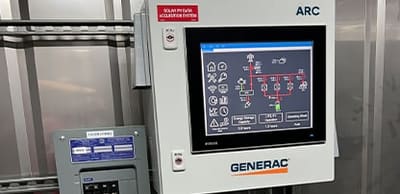
- Control panel diagnosticsWe read alarms, stored fault codes and sensor values, and confirm the transfer switch actually responds when utility power drops.
- Detailed reportingYou hear what we found, why it happened and every reasonable option to fix it — before any repair begins.
Reading Generator Error Codes the Right Way
Modern controllers store a surprising amount of information: overcrank events, low oil pressure trips, high temperature shutdowns, battery warnings and failed exercise cycles. Generator error codes are useful, but they describe what the controller sensed, not always why. A “low oil pressure” alarm, for example, can come from a low oil level, a failing sensor or a wiring fault.
That is why our technicians treat the code as a lead. They pull the history to see when faults began and how often they repeat, then test the suspect parts directly. The result is a repair aimed at the root cause instead of the symptom.
If you’re curious what owners can safely check on their own, our step-by-step troubleshooting guide walks through it.
Why Accurate Diagnostics Matter
Getting the diagnosis right the first time pays off long after the visit is over.
- Prevents unnecessary repairs and part replacements
- Gets the correct fix applied on the first visit
- Can extend the working life of your generator
- Improves overall reliability and fuel efficiency
- Saves time and money over the long run

What You Receive After the Visit
A diagnostic call should leave you with more than “it’s fixed” or “you need a new one.” When our technician is finished, you can expect:
- A clear explanation of the fault and what caused it
- A list of any parts that need attention now, and those to watch
- An upfront quote for the recommended repair, with no hidden fees
- Notes on battery, fluid and fuel condition
- Advice on maintenance that helps prevent a repeat
- A confirmation test run once any repair is complete
If a component has to be replaced, our generator parts replacement service handles sourcing OEM-approved components and installing them correctly.
When to Schedule Troubleshooting
You don’t have to wait for a total failure. Book a visit when you notice:
- The unit missed or failed its scheduled exercise run
- A warning light or code that keeps coming back
- Slow, labored cranking — common after a long Houston summer cooks the battery
- Leaks, new noises or a burning smell
- It ran hard through a storm or freeze and hasn’t been checked since
For facilities, routine generator load bank testing is often part of a planned maintenance program; see our commercial generator services for details.
Home Units vs. Commercial Systems
Troubleshooting a home standby generator and a building’s diesel set follow the same logic, but the details differ. Air-cooled residential units are often tripped up by batteries, chargers, low oil sensors and transfer switches that sat unused for months. Larger liquid-cooled commercial generators add coolant systems, block heaters, stored diesel that can degrade and multiple transfer switches to test.
For homeowners, the visit usually ends with a test run on household circuits. For facilities, we may recommend a load bank test to prove the generator can carry its rated output, since a lightly loaded building rarely pushes a unit hard enough to reveal weak spots. Either way, you get the same thing: a confirmed cause, options and a straight answer about whether a repair is worth it.
Diagnostics Across Houston and Nearby Communities
Our technicians handle troubleshooting calls throughout Houston and the suburbs around it, from older neighborhoods inside the Loop to newer homes in Sugar Land and The Woodlands. Standard diagnostic appointments are booked Monday through Friday, 8:00 AM to 5:00 PM, and urgent failures are handled around the clock. Check the full list of service areas if you’re not sure we reach your address — or simply call 832-418-7218 and ask.
Don’t Wait for a Small Fault to Become a Breakdown
A generator that hesitates today may not start at all when the power goes out. Let our team find the cause now, while you still have time to fix it on your schedule.
Frequently Asked Questions
What is included in a generator diagnostic visit?
A technician inspects the unit, reads the controller's alarm and fault history, and tests the battery, charger, fuel system, ignition, engine and transfer switch. Commercial units may also get a load bank test. You then get an explanation of the findings and a quote for any repair.
My generator won't start. Should I keep trying to crank it?
No. Repeated cranking can drain the battery and overheat the starter, which turns one problem into two. Note any error code on the display, check that the unit is in Auto or that fuel is turned on, and call for troubleshooting if it still won't fire.
Can you read generator error codes for any brand?
Our technicians work on most major makes and models of residential and commercial generators, including their controllers. Codes mean different things on different brands, so we read them in the context of that manufacturer's documentation and confirm them with hands-on testing rather than replacing parts based on the code alone.
What is generator load bank testing and does my home unit need it?
A load bank is a piece of test equipment that puts a controlled electrical load on the generator so we can see how it performs while working hard, without relying on your building's circuits. It is most common for commercial and critical-power systems. For many home standby units a supervised test run on household loads is enough, and we will tell you which approach makes sense.
Do I pay for diagnostics if I decide not to do the repair?
We give you transparent pricing and an upfront quote, so you know what the visit and any recommended repair cost before you commit. Ask about the diagnostic charge when you call or text 832-418-7218 so there are no surprises.
Is Your Generator Acting Up?
Don't let a small fault turn into a breakdown during the next outage. Call or text 832-418-7218 to schedule diagnostics, or email Jawillyservices@gmail.com for a non-urgent visit.