
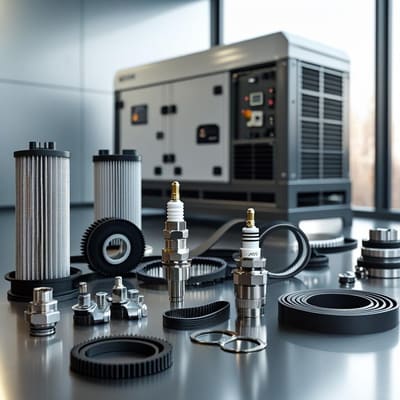
Generator Parts Replacement with OEM-Approved Components
The right part, installed correctly and tested before we leave. JaWilly Services sources and replaces components for most major generator makes and models, from starting batteries to controller boards.
The Right Parts for Reliable Backup Power
Every generator is a collection of parts that wear out on different schedules. Batteries fade, filters clog, spark plugs foul, and electronic boards eventually fail. Generator parts replacement is how a well-built unit keeps running for years instead of being written off after its first breakdown.
JaWilly Services sources and installs components for most major generator brands and models, residential and commercial. Whether you need a routine wear item replaced during maintenance or a critical part during a repair, our technicians match the component to your exact model, fit it correctly and test the system before calling the job done.
We don’t sell parts by guesswork. If you’re not sure what failed, we start with professional generator diagnostics so you replace only what’s needed.
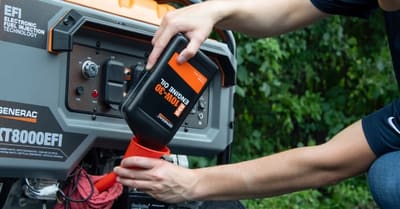
Common Wear Parts and the Signs They’re Failing
These are the components we replace most often, along with the warning signs that usually show up first.
| Part | What it does | Signs it may be failing |
|---|---|---|
| Starting battery | Cranks the engine when the power goes out | Slow cranking, low-battery alerts, swelling or corroded terminals |
| Battery charger | Keeps the battery topped up between runs | Battery repeatedly dead despite being new, charger fault light |
| Starter and starter relay | Turns the engine over | Clicking with no crank, grinding, intermittent starts |
| Spark plugs and ignition parts | Ignite the fuel in gas and propane engines | Hard starting, misfires, rough running |
| Oil, air and fuel filters | Keep contaminants out of the engine and fuel system | Overdue service, loss of power, black smoke, restricted fuel flow |
| Automatic voltage regulator (AVR) | Holds output voltage steady | Flickering lights, voltage swings, tripped breakers, sensitive electronics shutting off |
| Controller board | Runs start-up, monitoring and shutdown logic | Blank or frozen display, random faults, unit ignoring Auto mode |
| Sensors and switches | Report oil pressure, temperature, speed and more | False shutdowns, alarms that don’t match real conditions |
| Transfer switch contacts and controls | Move your load between utility and generator | Generator runs but the house has no power, or no return to utility |
| Belts, hoses and fuel system parts | Cooling, fuel delivery and engine operation | Cracks, leaks, squealing, overheating, fuel odor |
Batteries, Starters and Regulators: The Usual Suspects
Generator battery replacement
The battery is the single most common reason a standby generator won’t start. Heat inside a metal enclosure in a Houston summer shortens battery life, and a battery that tests fine in April can be weak by August. A proper generator battery replacement includes checking the charger, cleaning terminals and confirming the new battery holds a charge under load — otherwise the new one can fail the same way.
Generator starter replacement
When the battery checks out but the engine still won’t turn over, the starter or its relay is the next likely culprit. Repeated cranking attempts during a failed start can overheat a starter, so a generator starter replacement sometimes follows a no-start that began as a different problem.
Automatic voltage regulator replacement
The AVR keeps output voltage steady as loads change. A failing regulator can cause flicker, surging or voltage that’s too high or low — hard on HVAC equipment and electronics. Automatic voltage regulator replacement is a precise job: the new unit has to match the generator’s specifications and be verified under load.
OEM-Approved vs. Generic Parts
For some items, such as a quality oil filter, there are several acceptable options. For others — controllers, regulators, sensors and transfer switch components — the margin for error is small. We use OEM-approved components because they are made or approved to your generator manufacturer’s specifications.
- Correct fit and electrical ratings for your model
- Predictable behavior with the generator's controller
- Helps keep manufacturer warranty coverage intact, where applicable
- Reduces the risk of repeat failures and return visits
Generic parts can look identical and still differ in tolerances, firmware or connector pinouts. When a part protects your home or business during an outage, “close enough” is a gamble.

How We Source, Install and Test Replacement Parts
- Confirm the failureWe verify the part is actually at fault through testing, not just a fault code or a hunch.
- Match the part to your unitMake, model and serial number are used to identify the correct OEM-approved component.
- Quote before orderingYou get a clear, upfront price for the part and labor, with no hidden fees.
- Install to specOur certified technicians fit the part following the manufacturer's procedures, torque values and wiring diagrams.
- Test the whole systemWe run the generator, check voltage and frequency, and confirm the transfer switch hands off power correctly.
Many common items — batteries, filters, plugs — are carried on the truck. Less common parts such as specific controller boards may need to be ordered, and we'll tell you the expected timing up front. If your generator is down during an outage, start with our 24/7 emergency generator support line.
Generator Transfer Switch Repair
A transfer switch gets little attention until the day it matters. Contacts can pit and wear, control boards can fail, and connections can loosen with heat cycles. The result is a generator that starts on cue but never delivers power to the building — or one that won’t return to utility power when the grid comes back.
Our generator transfer switch repair work covers testing the controller and sensing circuits, inspecting and replacing worn contacts or components, and confirming the switch transfers and retransfers properly with the generator running. For larger buildings with multiple switches, this is often handled as part of our commercial generator services.
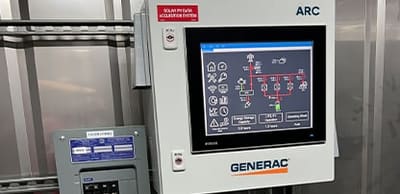
Repair the Part or Replace the Generator?
A failed part doesn’t automatically mean the end of a generator. When the engine and alternator are healthy, replacing a battery, starter, regulator or board is usually the sensible choice. The picture changes when several major components are failing at once, the engine is badly worn, or parts for an older model are no longer available. In those cases we lay out the cost of repair next to the alternatives, explain the trade-offs honestly and let you decide. We’d rather earn your trust with an honest answer than sell you equipment you don’t need.
Benefits of Quality Parts and Professional Installation
- Longer generator life and better reliability between service visits
- Improved fuel efficiency and smoother performance
- Lower risk of a breakdown during an outage
- Helps maintain manufacturer warranty coverage, where applicable
- Safe operation for your household, building and equipment
We provide parts replacement throughout Houston, Katy, The Woodlands and the rest of our service areas. Call or text 832-418-7218, or request service online.
Frequently Asked Questions
How often does a generator battery need to be replaced?
It depends on the battery type, how well the charger maintains it and how hot it gets inside the enclosure. Houston summers are hard on batteries, so we test voltage and load capacity at every service visit and recommend replacement before a weak battery fails during an outage.
Do you only use OEM generator parts?
We use OEM-approved components, meaning parts made or approved for your generator's manufacturer and specifications. For critical electrical and control parts that matters most, because a close-enough substitute can cause erratic behavior or problems with the manufacturer's warranty.
Can I buy the part myself and have you install it?
Call us first so we can confirm the part number and that it is actually the cause of the problem. In many cases it is simpler and faster to let us source the correct part, since we can match it to your model and test the installation as part of the same visit.
Is it worth replacing parts on an older generator?
Often yes, when the engine and alternator are sound and the failure is a wear item like a battery, starter or regulator. If major components are failing repeatedly or parts are hard to find, we will say so honestly and help you weigh repair against replacement.
Do you repair automatic transfer switches?
Yes. We test and repair transfer switches, including worn contacts, failed controllers and wiring problems, as part of our parts and replacement work. A transfer switch that won't change over can make a perfectly good generator useless during an outage.
Need Generator Parts or a Replacement?
Tell us the make, model and what's going wrong. Call or text 832-418-7218, or email Jawillyservices@gmail.com with a photo of the data plate for a parts quote.