
How to Winterize a Standby Generator in Houston Before the First Freeze
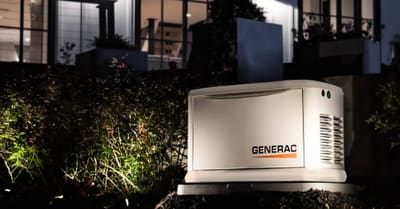
Late October in Houston sits on two calendars at once. Hurricane season is still open, and the first real cold fronts are already moving through. A generator prepared only for summer storms has not been asked to start on a cold morning since last winter, if it ever has. This is the week to winterize a generator in Houston: not by packing the machine away, but by proving it will start and carry the house or building when the air is cold and utility power is out.
The National Weather Service Houston/Galveston guide for 2026 runs hurricane season from June 1 through November 30, and notes that a Texas landfall has happened in every month of that window. Cold still changes cranking power, propane vapor and oil thickness, which is why a July exercise can pass and a January start can fail. Finding that on a mild afternoon is much easier than finding it in an ice storm.
In this guide
Why late October beats a freeze warning
A late tropical system can still knock out power in November, while freeze season here is mostly December through February. Waiting for a freeze watch puts you in line with everyone else. If the unit surged, stumbled or stored a fault in the last storm, put that on a work order now, while utility power is on and a part can be ordered without a rush.
Keep the hurricane season generator checklist in use through November 30. The steps below hand off from that list into cold weather. For heat, humidity and floodwater the rest of the year, see generator maintenance for Houston’s climate.
What winterizing means on the Gulf Coast
Up north, storing a small engine often means draining the fuel and ignoring it until spring. That is the wrong job here. The standby unit stays outside and ready to start on its own. The goal is to head off standby generator cold weather failures: no crank, a start that dies, or an engine that runs while the house stays dark.
Most area homes have an air-cooled set, without the coolant heater common on a liquid-cooled commercial machine. A cold start comes down to the battery, the oil the manual specifies, fuel that still flows, and an enclosure that can breathe. Facilities with diesel, a factory block heater and fuel that can thicken in a hard freeze need a different visit, described under commercial generator services.
Leave the selector on Auto when you are done. A generator left on Off after a test, a remodel or a plan to “save the battery” will sit through the entire outage. Auto is the position that lets it answer a power loss by itself.
A Houston freeze generator checklist
Use this Houston freeze generator checklist from the top down. The first items are the ones that actually stop a cold start. Later items keep a running generator from overheating, stalling or sending exhaust where it should not go.
The battery and the charger that feeds it
A tired battery is what owners notice first once nights turn cold. Lead-acid cranking ability falls as temperature falls. The display can still light, because a screen draws little current, while the starter needs a short heavy burst. Summers cook batteries inside an enclosure, so one that barely survived August is a weak bet for January.
Without tools, read the controller for a low-battery message or a charger lamp that is dark, look for crusted or loose terminals if they are visible without unbolting the housing, and confirm the breaker that feeds the charger is still on. People open that breaker during painting, fencing or a panel change and never close it. Turning it off for the season does not save meaningful power.
Ask for a load test, not only a resting voltage reading. A battery can look fine until the starter engages. Replacement, when the test says it is finished, belongs with generator parts and battery service. Stop after one or two failed cranks. More attempts heat the starter and flatten what charge is left.
When a generator won’t start in cold weather, or it turns slowly and quits, sort that out while the lights are on. Warning signs a generator won’t start covers the owner-safe checks. Generator diagnostics is the visit when the display does not make the cause obvious.
Oil and filters, taken from the manual
Cold oil is thicker, so an engine that spins freely in October can crank lazily in a freeze if the oil is heavier than the manufacturer allows or simply past due. Use the viscosity chart in the owner’s manual. Do not invent a winter weight from a forum. Check the hour meter too: days of runtime in a fall outage can make oil and the filter due even when the last visit feels recent, and a dust-packed air filter makes a cold start harder. Both are ordinary items on a generator service visit.
Fuel: natural gas, propane and diesel in the cold
Natural gas. The set runs only while the utility holds usable pressure at the meter. You cannot stockpile it. In a widespread freeze, furnaces across the city run at once and demand climbs. Confirm the shutoff at the generator is open. Other gas appliances working only proves the meter is supplying something, not that pressure will hold once the generator is loaded.
Propane. A propane generator in cold weather needs vapor, not liquid, at the regulator. Colder tanks make vapor more slowly, and a nearly empty tank fails first. Fill it before a cold front is forecast. If you have two tanks, know which one feeds the generator. Never heat a tank with a torch, a grill or a plug-in heater. Tank-size questions belong with your supplier.
Diesel. Summer-blend diesel can thicken in a hard freeze. Around Houston that shows up mainly on commercial sets, not on an air-cooled home unit. Use only fuel and additives the engine maker and your supplier approve. If the set has a factory block heater, confirm that circuit has power. Do not strap a household heater to the block.
Enclosure, airflow and pests that move in
Leaves, pine straw, holiday-light reels and a grill leaned on the wall all end up against the louvers. Clear the space the manual requires, including overhead. Generator service in The Woodlands sees this on landscaped lots, and the same habit helps in any suburb.
Do not wrap the unit in a tarp, blanket or plastic. Covering the intake or exhaust can overheat the engine, hold moisture on wiring and trap exhaust. A factory cold-weather kit is a specific part. A furniture cover is not one. Rodents move in as nights cool. Nesting material or a gnawed harness means leave the unit off and book service. Do not spray insecticide into the housing. After freezing rain, switch the controller to Off before you touch anything, clear ice gently, and stop if the job needs a tool in the fan or exhaust.
Prove it on winter loads while the grid is up
A short weekly exercise can look fine and still fail when the transfer equipment puts the building on the generator. Before winter, test the circuits a cold outage actually needs: furnace blower or air handler, heat pump, electric heat strips if you have them, refrigerator, a few lights, and any medical equipment. Emergency heat strips on an all-electric home can be a large load, sometimes more than the set was sized for during hurricane planning. If you are unsure, read what size generator you need and have a technician compare it with the panel. Do not find out by opening the main breaker on the coldest night.
Listen for a stumble under load, watch for a new fault, and confirm the exhaust path is clear with no fuel smell. Put the controller back on Auto. A failed exercise or a start that shuts itself down is a diagnostics visit.
Mistakes that make a cold start worse
Do not warm a generator with an open flame, a torch, a grill or a space heater shoved into the louvers. Fuel and electrical parts share that housing. Do not pour hot water over a frozen unit either.
A handful of other habits produce a large share of winter calls:
- Moving the controller to Off so a weekly exercise will not bother guests over the holidays. The generator will not start in an outage either.
- Closing the fuel valve at the unit after a repair and never opening it again.
- Leaning plywood, a ladder or a cover over the top “until the freeze passes.”
- Feeding the house from a portable through a dryer outlet. That backfeed can energize utility lines and damage wiring when grid power returns. Use the installed transfer equipment, or cords from a portable kept outdoors. If the standby unit has already quit, follow the emergency generator repair guide and call 24/7 emergency generator support.
Cold wind makes people roll a portable into the garage “for a minute.” Exhaust in an enclosed space is deadly. Keep it outdoors, pointed away from doors, windows and vents. Placement rules are in the hurricane season generator checklist.
Portable generators you might need in a freeze
A portable in a shed is a different job. If you may need it during a freeze, do not empty the tank and assume you can buy gasoline at midnight. Follow the manual for stored fuel, use approved containers, and start it on a mild October afternoon so stale gas, a dead electric-start battery or a cracked line shows up early. If you truly will not use it until spring, use the manual’s storage steps, often stabilizer or a dry carburetor plus a battery maintainer, and do not seal the unit under plastic that traps condensation. The only safe tie-in to the house is a transfer switch or an approved interlock.
On the morning a freeze is actually forecast, you should only be confirming: Auto, no new fault, fuel valve or propane level unchanged, charger breaker on, nothing stacked on the louvers, and carbon monoxide alarms with working batteries. The simplest way to winterize a generator in Houston is to finish the real work on a mild day, before that morning.
Houston and the suburbs
Older Houston houses may depend on a furnace blower that has sat since last winter, often beside a generator squeezed next to the air conditioner. In Katy, the usual pre-freeze fixes are grass clippings and a sprinkler aimed at the louvers. Sugar Land, Pearland and Pasadena are similar, with extra corrosion watch near the Ship Channel. Generator repair in Houston covers city addresses. A clinic, cooler, network closet or warehouse gate should not wait until spring if a commercial set skipped an exercise or has not had its heater circuit and fuel checked since last winter.
When to stop and call
A walk-around, a fuel check, clearing plants and confirming Auto are owner work. Call before you open an electrical cabinet or the transfer switch, which combines utility power and generator power in one place.
Call while the power is still on if the engine cranks slowly or clicks, a fault is stored, you smell fuel or see a fresh leak, the weekly exercise has been failing, or the unit quit during an earlier freeze.
JaWilly Services books routine visits Monday through Friday, 8:00 AM to 5:00 PM, and answers emergency calls and texts 24 hours a day at 832-418-7218. You can also send a message. Have the make, model and any words on the controller ready. For scheduling, start with generator service in Houston. Done on a mild week, this is a short list. Left until the house is getting cold, it is a long night.